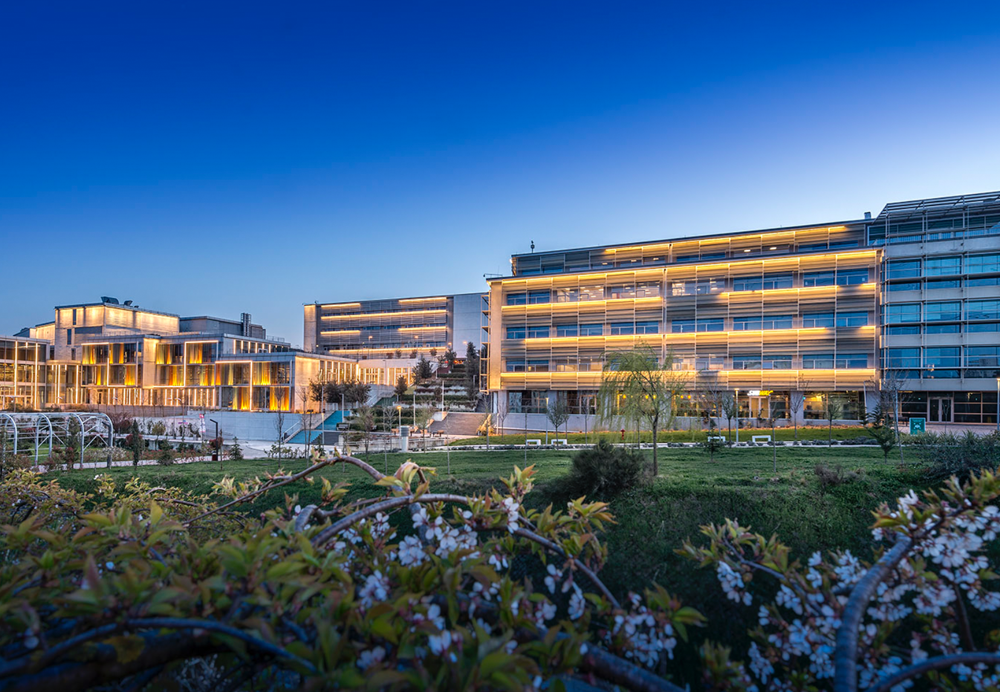

Özyeğin University joins the PRECISE project (Physics-Informed and Data-Driven Reliable Estimations for Corrosion in Sustainable Nuclear Environments) to push the frontiers of sustainable energy. The initiative applies advanced modeling techniques to understand and predict corrosion in nuclear materials, a critical factor for the safety and reliability of energy systems worldwide.
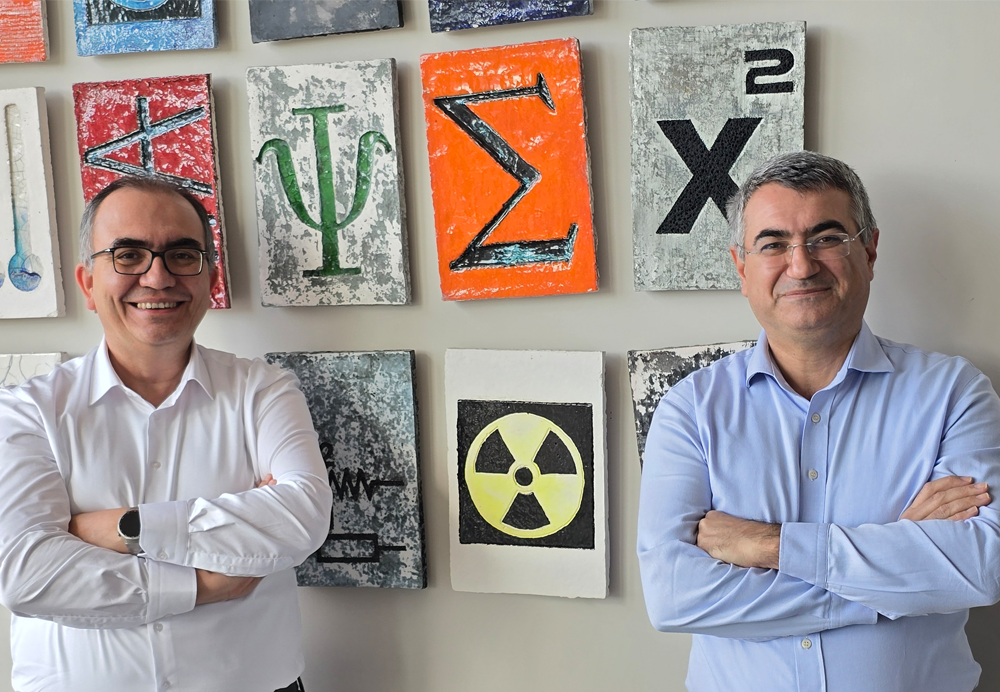
The research team representing Özyeğin University includes Associate Prof. Özgür Ertunç from the Mechanical Engineering Department and Assistant Prof. İsmail Arı from the Computer Science Program. Conducted under the EU co-funded partnership CONNECT-NM under Grant Agreement No. 101165375, PRECISE seeks to advance predictions of degradation and corrosion in nuclear materials, moving beyond traditional, experiment-driven approaches towards physics-informed AI models that harness time-series data for more reliable insights. By employing a dual architecture that combines both data-scarce and data-rich scenarios, the project aims to produce reliable, generalizable predictions across different nuclear material types and operating conditions.
PRECISE unites leading universities, research centers, and industrial partners from Germany, Spain, Ukraine, China, and Türkiye, creating a vibrant network for international collaboration. Coordinated by the Karlsruhe Institute of Technology (KIT), the project consortium features world-class institutions including CIEMAT, Universidad Complutense de Madrid (UCM), IPP-Centre, Shanghai Jiao Tong University (SJTU), and Borçelik, adding significant scientific and technical value to the project.
The project serves as a powerful reminder that AI plays a transformative role not just in digital transformation, but also in engineering systems and critical energy infrastructure, where reliability is paramount. Building on this potential, Özyeğin University harnesses physics-based modeling with data-driven AI to deliver high-impact research on sustainable energy technologies, advancing both global science and the development of safe, resilient energy systems.