
The Impact of Care Work and Mental Load on Professional Life
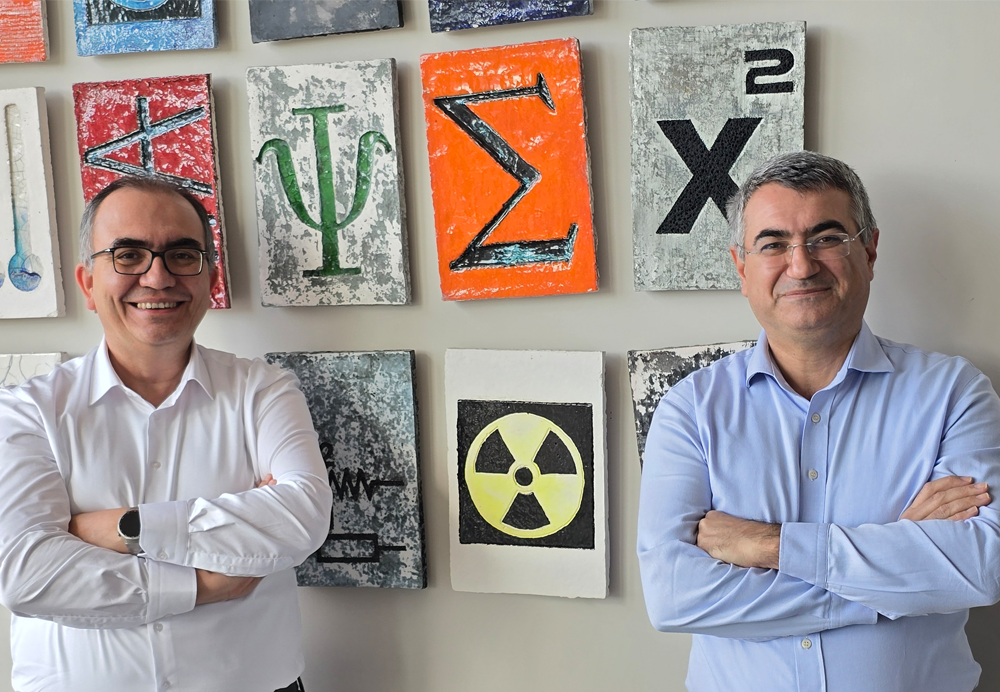
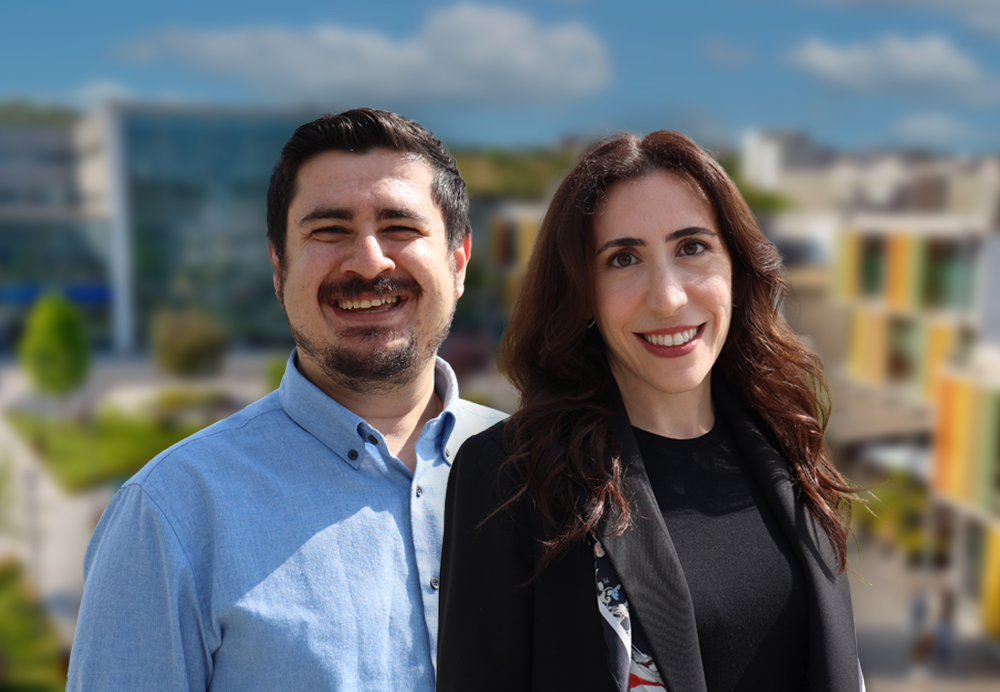
Led by Asst. Prof. Gözde Çörekçioğlu İshakoğlu from the Faculty of Business and Dr. Oğuz Can Ok from the Sustainability Platform, the #YükOlmasın initiative, developed in collaboration between Özyeğin University and Fiba Group, aims to make visible the often-overlooked impact of care work and mental load on professional life. Drawing on nationwide research conducted with over 2,600 white-collar employees, the project highlights how responsibilities related to childcare, eldercare, and household coordination shape employees’ well-being, career trajectories, and workplace engagement. The study reveals that care work and mental load significantly influence job satisfaction, career decisions, and employee retention. Building on these findings, the project moves beyond raising awareness by establishing the Care Equality Corporate Network, an initiative led by Özyeğin University and in collaboration with TÜSİAD that aims to support organizations in developing data-driven policies and workplace practices that acknowledge care responsibilities as a core dimension of social sustainability.
Do household chores really stay “at home?” Can work-life balance be separated by a sharp line when the mental load of care work and domestic responsibilities creates a constant background stream of planning and tracking?
For many, the workday begins not with meetings, but with tracking the child’s school bus, scheduling an appointment for an elderly relative, planning household needs, and carrying a mental list of “things not to be forgotten.” Although often invisible, this care work and mental load directly touch professional performance by affecting focus and decision quality during the day. Therefore, when care work and mental load are viewed merely as individual issues, institutions overlook a critical domain that shapes employee engagement, the need for flexibility, and stress-recovery capacity.
Care work and mental load refer to a stream of responsibilities that spans the whole day, often pushed to the background under the label “housework.” Care work covers not only direct care moments but also all daily activities such as cooking, cleaning, and shopping. Mental load is the invisible management of these tasks: the continuous process of planning, remembering, scheduling, and maintaining household coordination.
Özyeğin University and Fiba Group have been working together since 2023 to make this “invisible” area visible. The first step of this joint effort was an awareness campaign showing how care work and mental load accumulate in daily life and spill over into the workday. Prepared in 2024 under the consultancy of the OzU Gender Office, the guide and this campaign, named #YükOlmasın, reminded us that care work and mental load are areas of responsibility often carried without being explicitly named. By making the traces of this load in daily life visible, it established a common ground linking the issue to workplace climate.
Following the awareness campaign, a second phase was necessary to generate measurable insights to move this issue into institutional policies and practices. Based on this need, a national research project was designed to make the effects of care work and mental load on employees’ professional lives visible nationwide. The results were published in 2025 in “The Effect of Care Work and Mental Load on White Collar Employees Research Report”. The research was conducted under the coordination of Asst. Prof. Gözde Çörekçioğlu İshakoğlu from the Faculty of Business and Dr. Oğuz Can Ok, Social Sustainability Manager at the Sustainability Platform at Özyeğin University.
The research was conducted in two phases via face-to-face interviews. A total of 2,628 participants were reached: 524 white-collar employees in three major cities during the pilot phase, and 2,104 in 11 cities during the second phase. By demonstrating who bears the brunt of care responsibilities and the mental load, and through which mechanisms these spill into work life, the study revealed their relationship with critical outcomes such as burnout, job satisfaction, belonging, need for flexibility, career decisions, and resignation. Thus, it provided a data-based foundation for concrete leverage points, such as management practices, flexible infrastructure, and support mechanisms, through which institutions can intervene beyond the issue of personal balance.
Some prominent findings from the research include:
Sharing of Care Work and Mental Load: While women undertake more than 57% of care work and 60% of mental load, men undertake 33% and 35%, respectively. Marriage increases women’s care work by approximately 22 points and their mental load significantly, whereas the increase in care work for men remains limited to only 4 points.
Career Break: Findings show that care work and mental load are not just “tiring” experiences but also directly affect career flow. 15% of married women with children say they have turned down a promotion at least once in their lives due to care work and the mental load. These figures indicate that care responsibilities at certain life stages can serve as a mechanism that slows women’s career progression and reinforces the glass ceiling.
Risk of Exit from Employment: 31% of women participating in the research say they left their jobs at some point in their lives due to care work and mental load. The most striking group in the breakdown of marital status and having children is married women with children. In this group, the resignation rate rises to 37%.
Institutional Support, Satisfaction, and Belonging: The research shows that institutions adopting a “collaborative” attitude on this issue create a tangible difference in the female employee experience. The job satisfaction and belonging levels of women working in institutions with policies sensitive to care work and mental load are 15 points higher than those in companies that do not offer this support.
Strong Impact on Motivation and Job Preferences: Independent of gender, 85% of participants state that rights and corporate attitudes focused on care work and mental load would positively contribute to their workplace preferences and work motivation. Among women, 77% say that policies raising awareness of this issue at the workplace increase motivation. This suggests the issue is less about being a “well-intentioned fringe benefit” and more closely related to employee retention and motivation.
The results revealed that awareness alone is not enough. In light of the research findings, the next pillar of the project became the Care Equality Corporate Network, to be implemented under the leadership of Özyeğin University and in collaboration with TÜSİAD. The aim of the network is to bring together institutions that view care work and mental load not as a personal issue but as a social sustainability issue and a natural part of the workplace climate, and to create a common ground for learning, policy development, and implementation that enables concrete transformation in this field. The goal is to complete the network’s establishment process in 2026 and introduce the member companies to the public in the early months of 2027. The network’s consultancy will be carried out by Özyeğin University academics and relevant administrative units.
One key feature of the network as part of a proactive solution is that it brings together practical models that go beyond mere declarations of good intent. Member institutions will be able to use the Care and Mental Load Analysis Tool (CML Kit) developed within the network to anonymously assess the level and distribution of care work and mental load among their employees. The tool will provide measurements that make visible burdens such as childcare, eldercare, household responsibilities, and ongoing planning and monitoring, and will enable organizations to interpret how these burdens are reflected in employee experience using their own internal data. This tool is designed not only to diagnose the situation, but also to generate targeted solutions. The findings derived from the tool will help identify the organization’s risk and opportunity areas, which then inform the development of a tailored roadmap. The Özyeğin University team provides data-driven, focused consultancy in policy design, the development of guiding principles, and the structuring of implementation steps according to the institution’s specific needs. In this way, companies can initiate interventions to strengthen employee experience not from generic best practices, but from the specific areas identified by their own data.
You can access the research report, the guide used during the awareness campaign, and the tool that allows you to measure the distribution of care work and mental load in your own household at yukolmasin.com.tr. For any questions, you may contact sp@ozyegin.edu.tr.