Dear Members and Esteemed Stakeholders of Özyeğin University,
Since our founding, Özyeğin University has embraced the belief that knowledge is a transformative force that forges new paths and creates a lasting impact. In pursuit of our vision to become an “Entrepreneurial Research University with a Global Impact,” we put research at the center as a core driver of social, economic, and technological transformation.
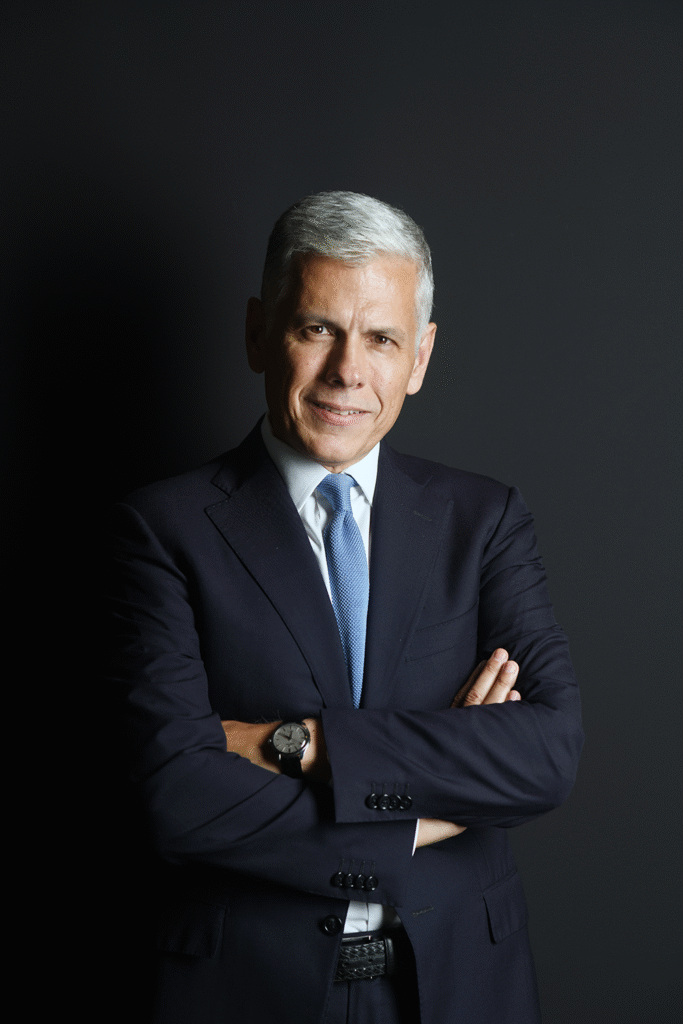
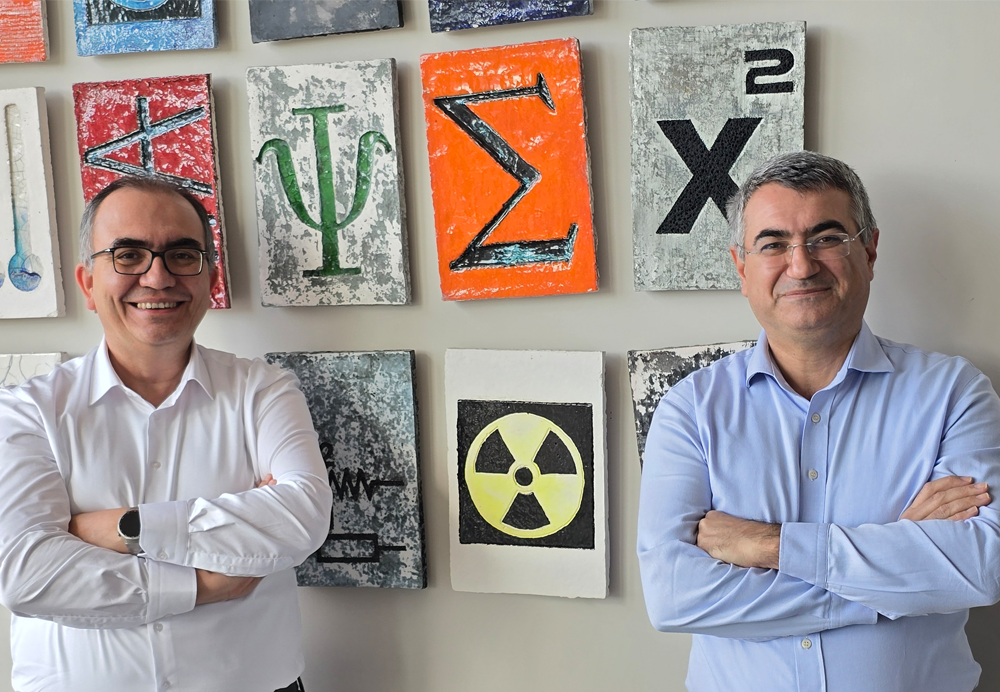
A powerful testament to Özyeğin University’s hallmark vision of becoming an “Entrepreneurial Research University with High Global Impact,” Beyond stands out as a content platform that not only disseminates academic output but also reinterprets it within the broader context of social, technological, and economic transformation. In this latest issue of Beyond, Prof. M. İrşadi Aksun, Vice President for Research, Innovation, and Impact, offers a multidimensional perspective on the University’s research approach, its strategic priorities, which are evolving around sustainability and artificial intelligence, and its commitment to creating global impact.
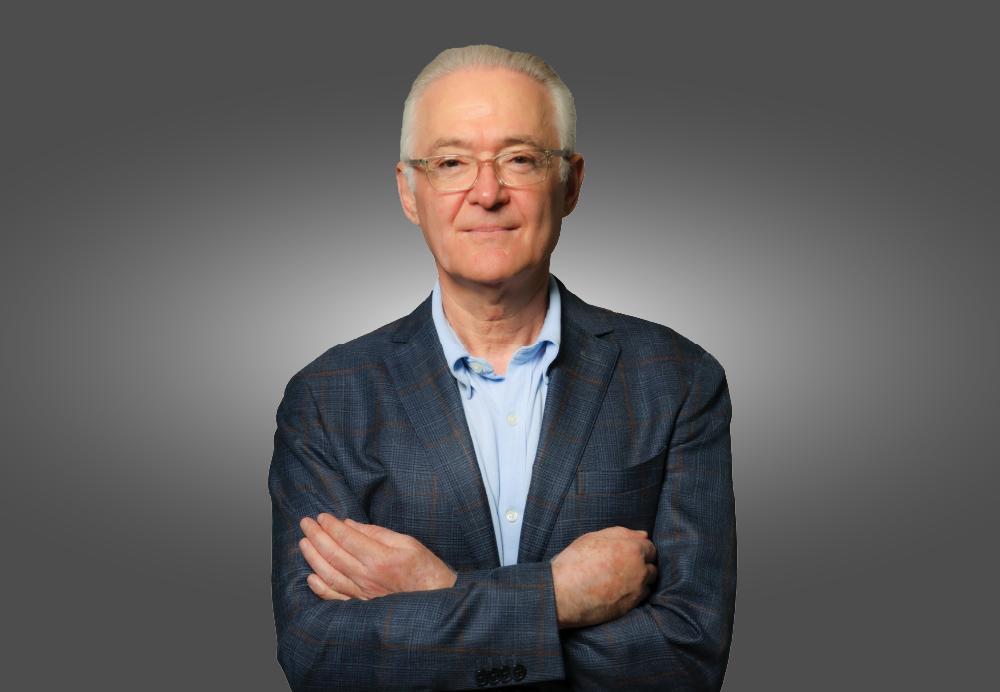
Prof. Gökhan Özertan, Dean of the Faculty of Applied Sciences, argues that the agricultural sector must undergo a profound transformation to address the climate crisis, resource constraints, and rising global food demand. His article examines how AI-driven decision-support systems, early-warning mechanisms, and data-driven production models can contribute to building a more resilient and sustainable food system. The analysis highlights that digital transformation in agriculture requires not only technological but also broader economic, environmental, and institutional restructuring.
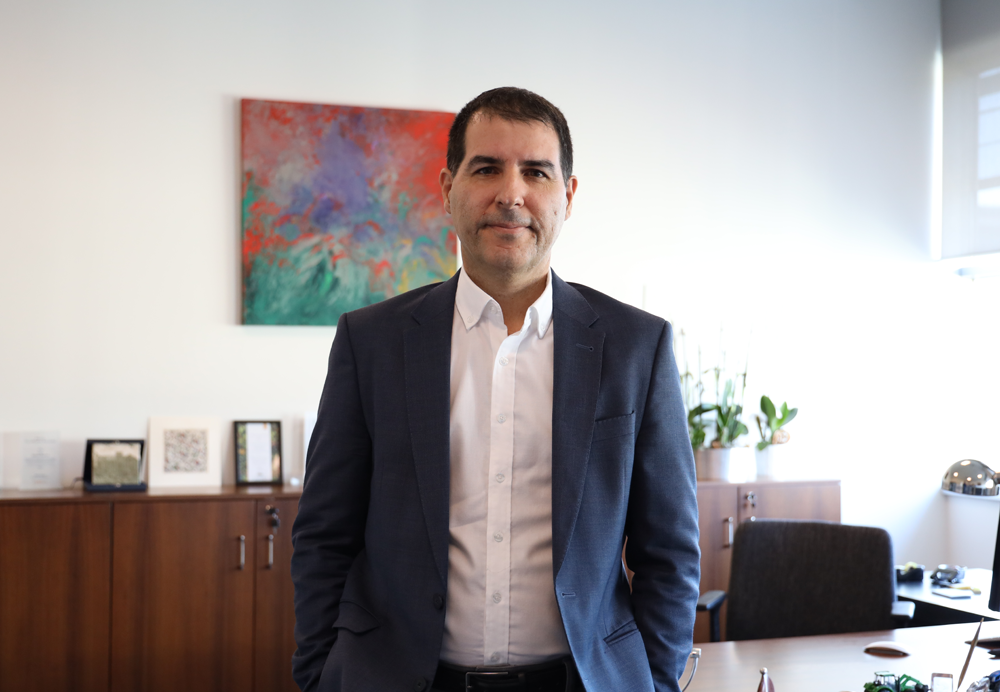
Rather than providing a technical overview of the current state of robotic exoskeleton technology or its application domains, this essay by Assoc. Prof. Barkan Uğurlu from the Faculty of Engineering presents the personal observations of a researcher who has worked in this field for twenty years. It focuses on the earliest stage of an exoskeleton prototype before it reached the outside world, the experience of the first person to interact with it, the researcher himself, and the intellectual path shaped by that encounter.
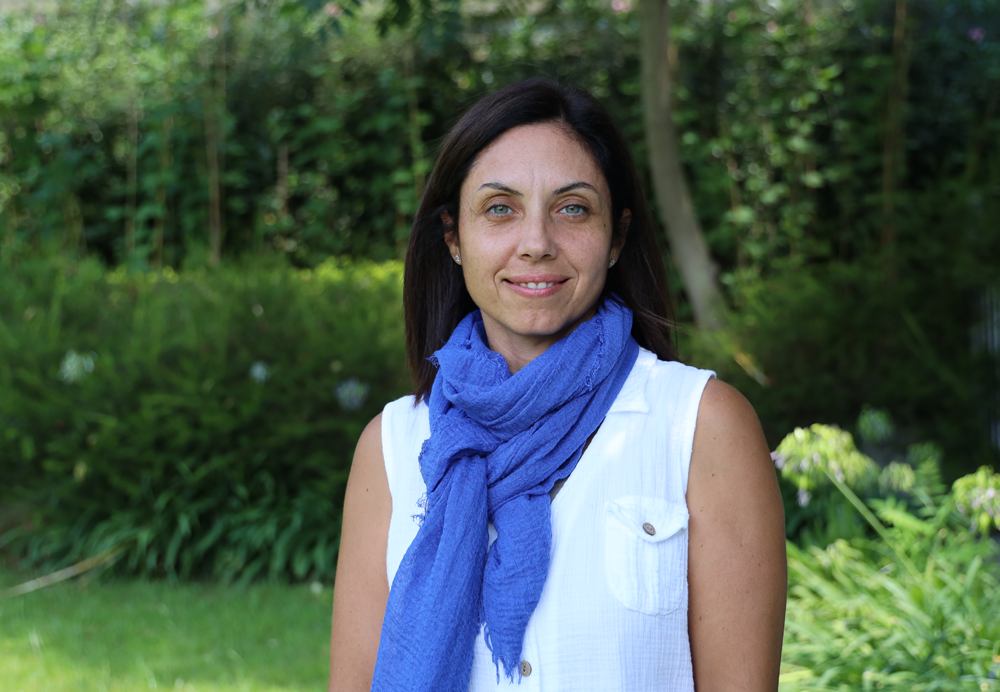
Asst. Prof. Başak Ozan Özparlak from the Faculty of Law asserts that artificial intelligence is more than a technological innovation; it is a transformative force redefining the global order through its legal, ethical, and public policy dimensions. Drawing on a historical and conceptual framework that spans from Frankenstein to contemporary AI regulation, she revisits the enduring question of the “responsibility of creators.” By comparing governance models across the European Union, the United States, and China, the article highlights why interdisciplinary research and the contributions of young researchers are essential to building trustworthy, human-centered AI systems.
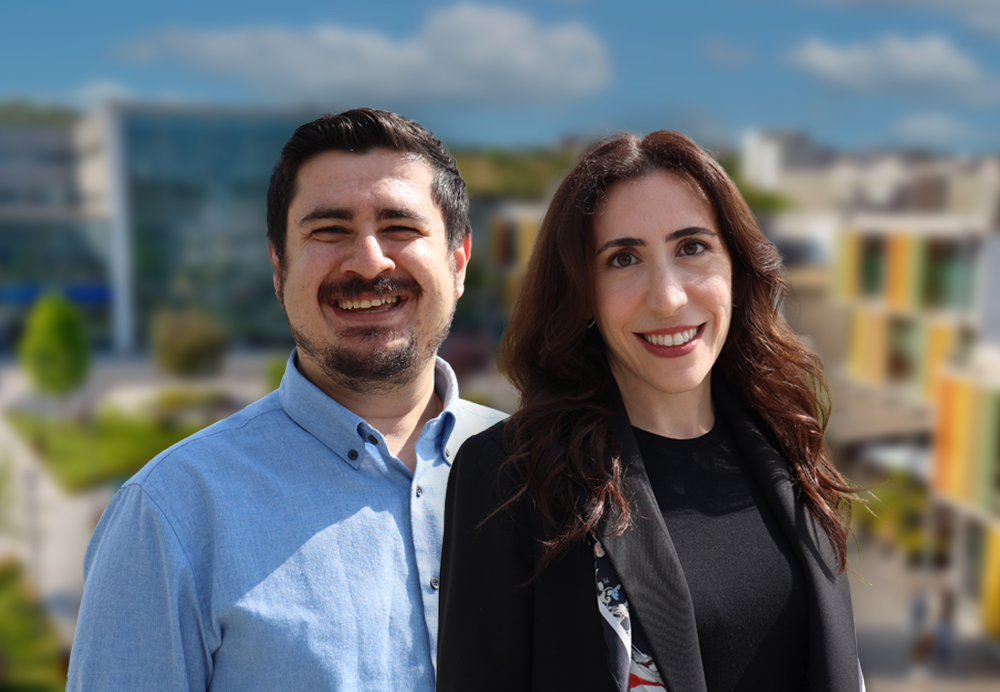
Led by Asst. Prof. Gözde Çörekçioğlu İshakoğlu from the Faculty of Business and Dr. Oğuz Can Ok from the Sustainability Platform, the #YükOlmasın initiative, developed in collaboration between Özyeğin University and Fiba Group, aims to make visible the often-overlooked impact of care work and mental load on professional life. Drawing on nationwide research conducted with over 2,600 white-collar employees, the project highlights how responsibilities related to childcare, eldercare, and household coordination shape employees’ well-being, career trajectories, and workplace engagement. The study reveals that care work and mental load significantly influence job satisfaction, career decisions, and employee retention. Building on these findings, the project moves beyond raising awareness by establishing the Care Work Friendly Institutions Network, an initiative led by Özyeğin University that aims to support organizations in developing data-driven policies and workplace practices that acknowledge care responsibilities as a core dimension of social sustainability.
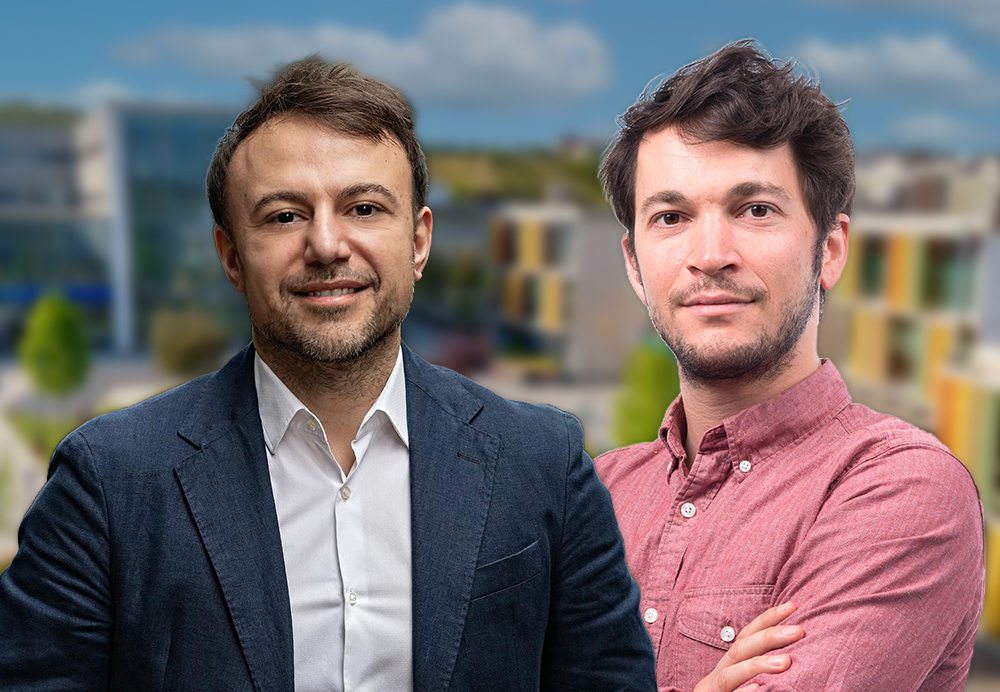
Dr. Cevat Giray Aksoy and Dr. Cem Özgüzel, visiting researchers at the Faculty of Business, provide a data-based analysis of how remote and hybrid work models could reshape women’s participation in the labor force in Türkiye, where female employment remains significantly below the OECD average. Leveraging empirical evidence from the TEMPO case study, their analysis shows how flexible work arrangements can help ease constraints arising from geography and caregiving responsibilities. The article suggests that when private-sector practices and public policies are aligned, flexible work models may enable a structural transformation in women’s employment.
At Özyeğin University, sustainability is a guiding principle that shapes our research priorities, academic collaborations, and societal engagement. From climate-resilient agriculture and alternative protein innovation to cultural heritage and water governance, our researchers are developing interdisciplinary solutions to some of today’s most pressing global challenges. Through international partnerships and competitive research grants, we continue to expand the impact of our work while connecting scientific knowledge with real-world applications. Discover the projects to learn how our faculties and researchers are contributing to a more resilient, sustainable, and inclusive future.
Özyeğin University is expanding its global academic networks through its Visiting Scholars Program, bringing together leading researchers from some of the world’s most prestigious institutions. With participants from leading organizations including Amazon, the OECD, the Max Planck Institute, the University of Washington, Kyoto University, and the University of Illinois at Urbana-Champaign, the program further strengthens the University’s international research ecosystem.